AI-Assisted Game Building
Using AI to accelerate collaboration and trust
Using AI to accelerate collaboration and trust
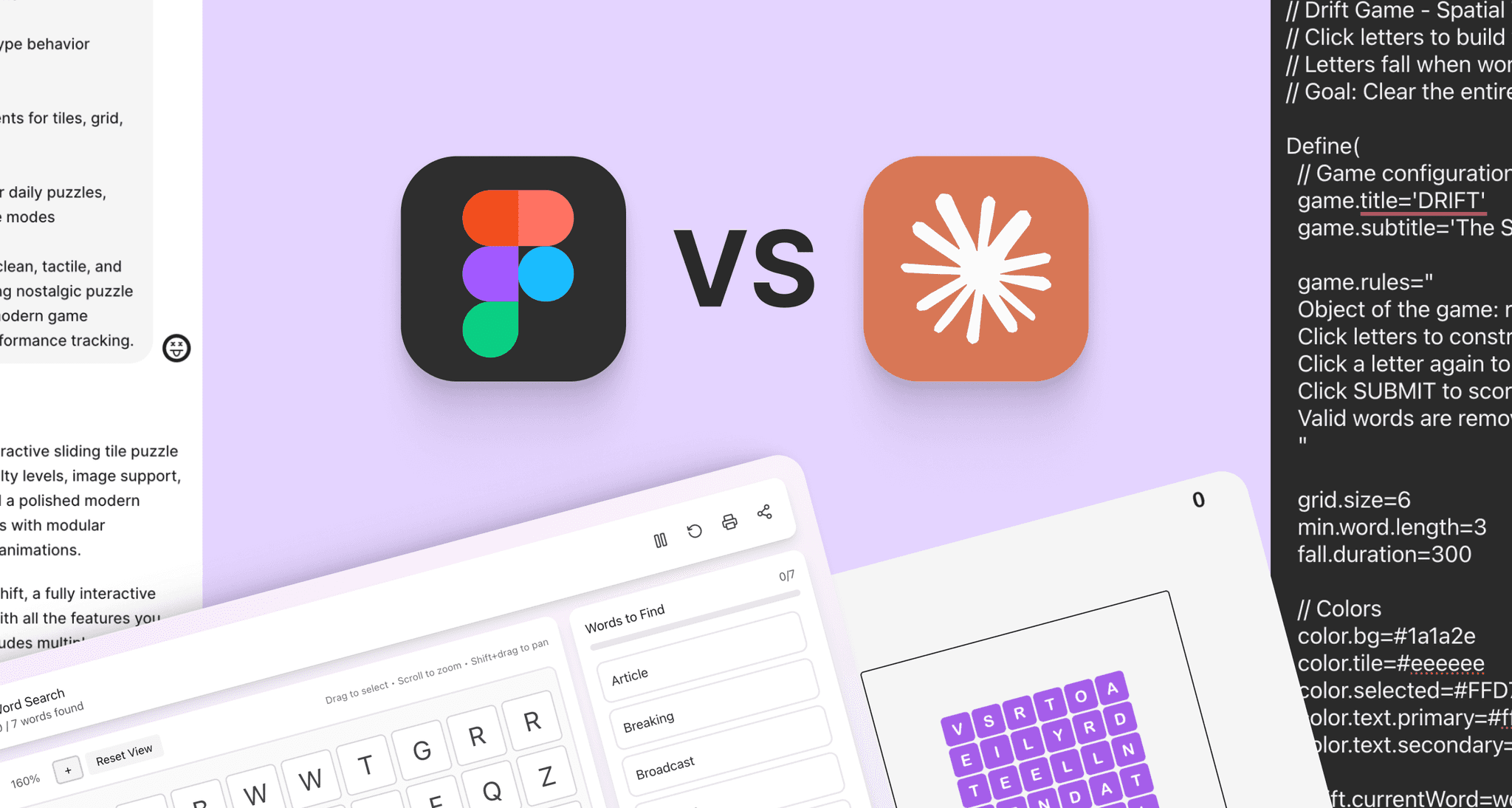
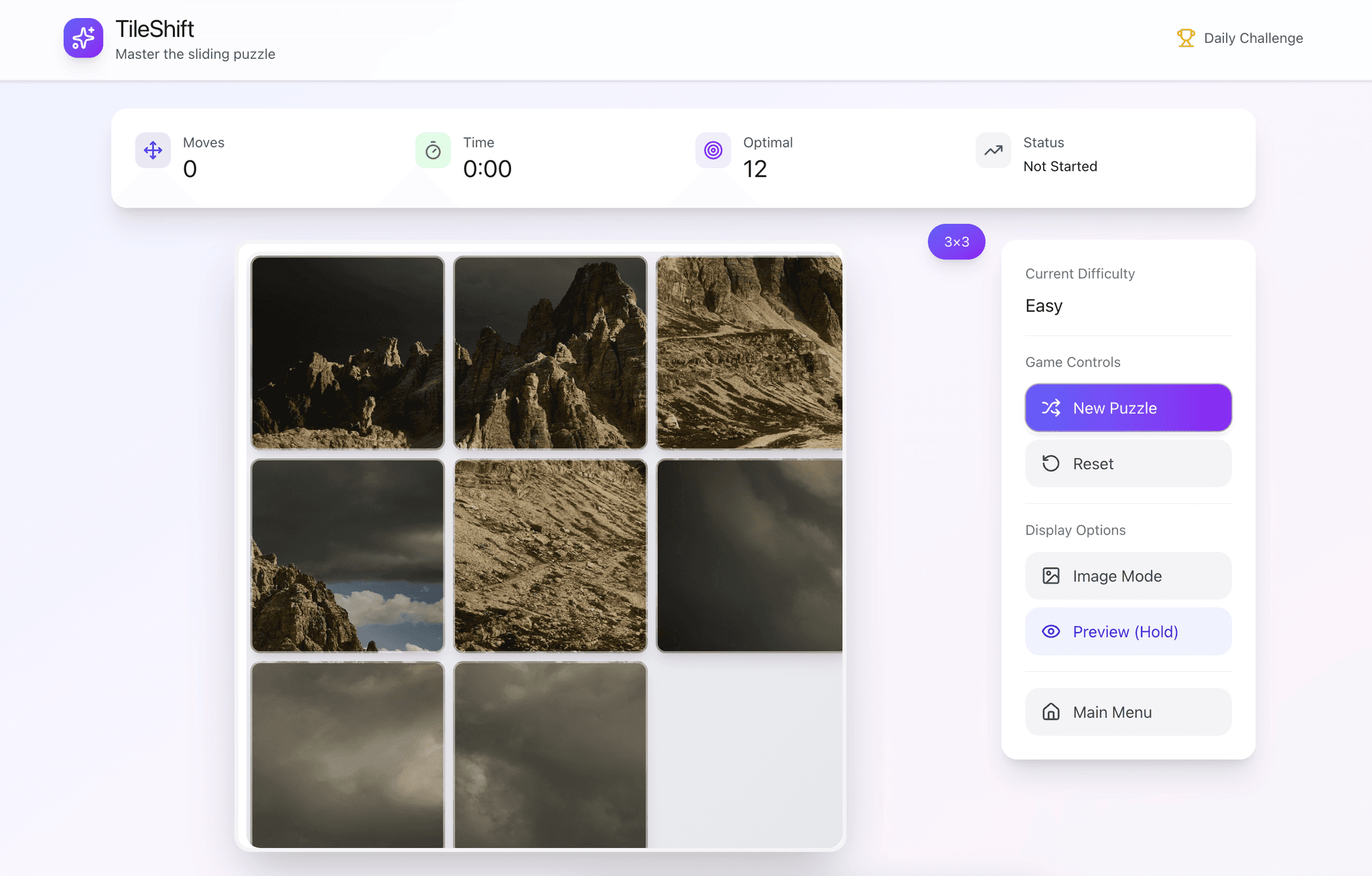
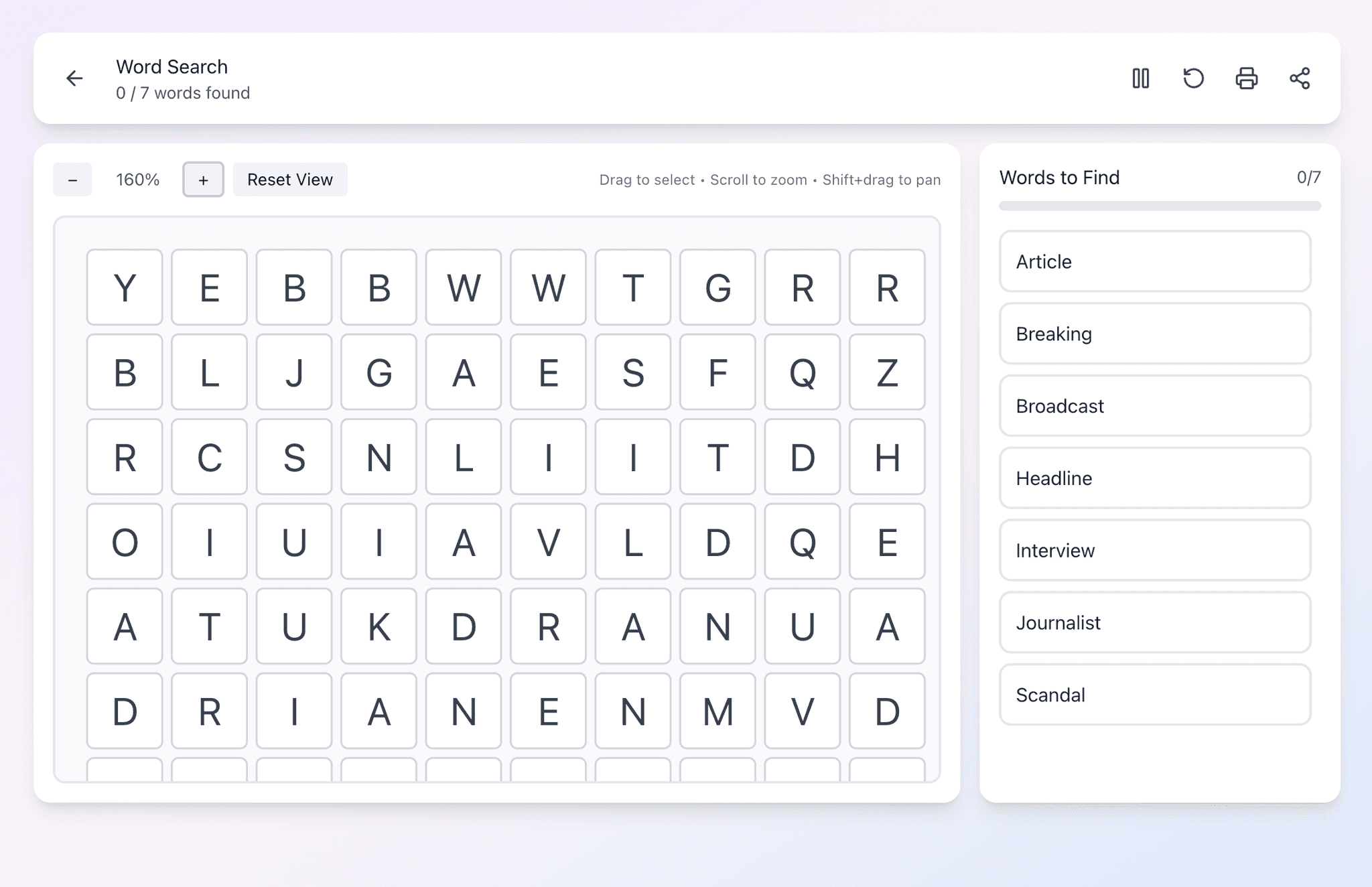
I partnered with a game developer counterpart at Yahoo Games to explore how AI tools could help us prototype and test game ideas faster—together. We built two playable games using Figma Make, while running parallel experiments with Claude (code-first LLMs) to compare workflows, strengths, and collaboration dynamics.
Beyond the tools themselves, this became a shared learning space—one that was fun, low-pressure, and intentionally non-threatening, helping us build trust and confidence as collaborators.
I partnered with a game developer counterpart at Yahoo Games to explore how AI tools could help us prototype and test game ideas faster—together. We built two playable games using Figma Make, while running parallel experiments with Claude (code-first LLMs) to compare workflows, strengths, and collaboration dynamics.
Beyond the tools themselves, this became a shared learning space—one that was fun, low-pressure, and intentionally non-threatening, helping us build trust and confidence as collaborators.
Problem Framing
Early game experimentation can feel risky across disciplines:
Ideas are abstract and hard to align on
Feedback often arrives late
Exploration can feel high-stakes instead of playful
We wanted to create an environment where learning felt safe, curiosity was encouraged, and designers and developers could explore together without pressure.
Early game experimentation can feel risky across disciplines:
Ideas are abstract and hard to align on
Feedback often arrives late
Exploration can feel high-stakes instead of playful
We wanted to create an environment where learning felt safe, curiosity was encouraged, and designers and developers could explore together without pressure.

P R O B L E M
P R O B L E M
P R O B L E M
P R O B L E M
Approach
We ran side-by-side experiments on two game concepts:
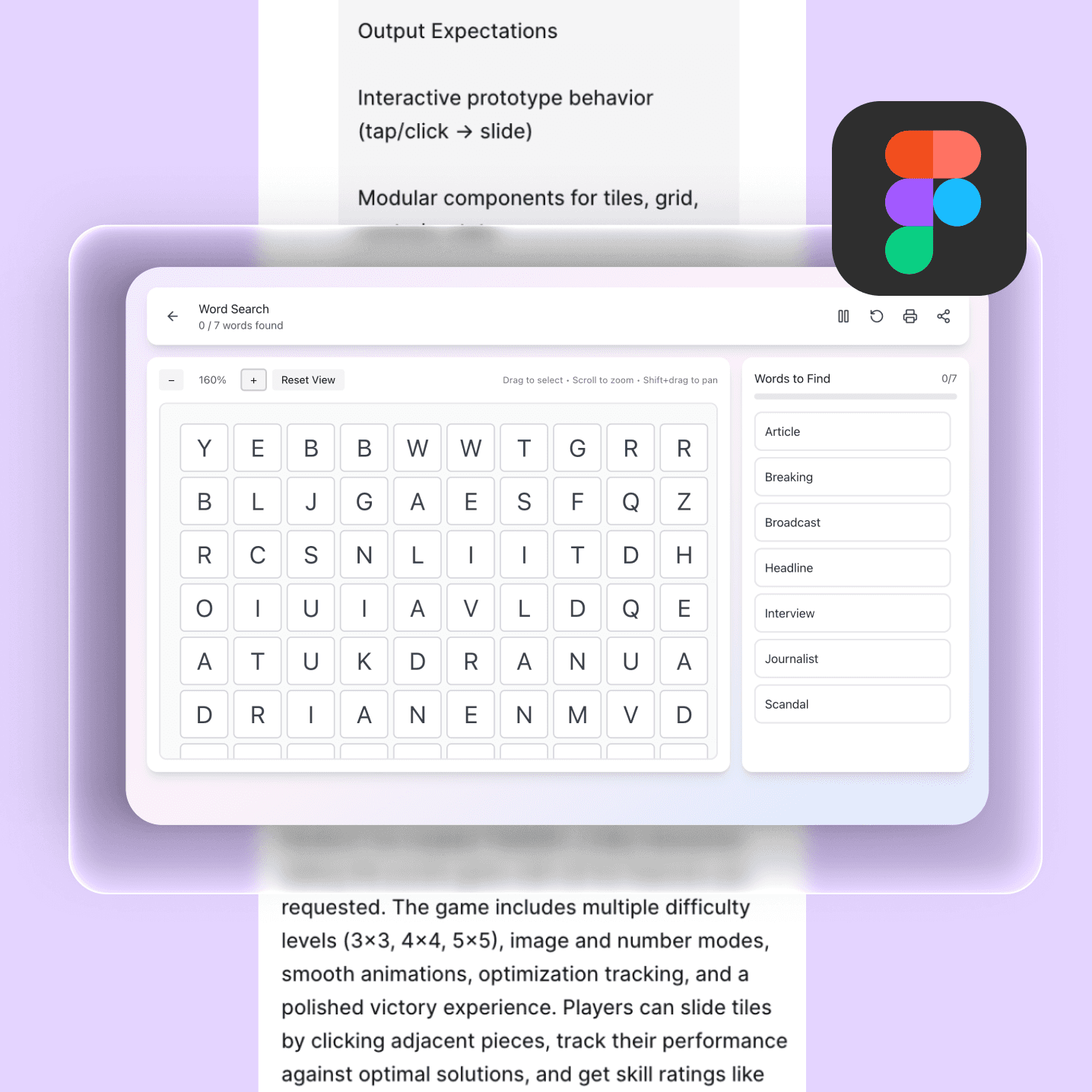
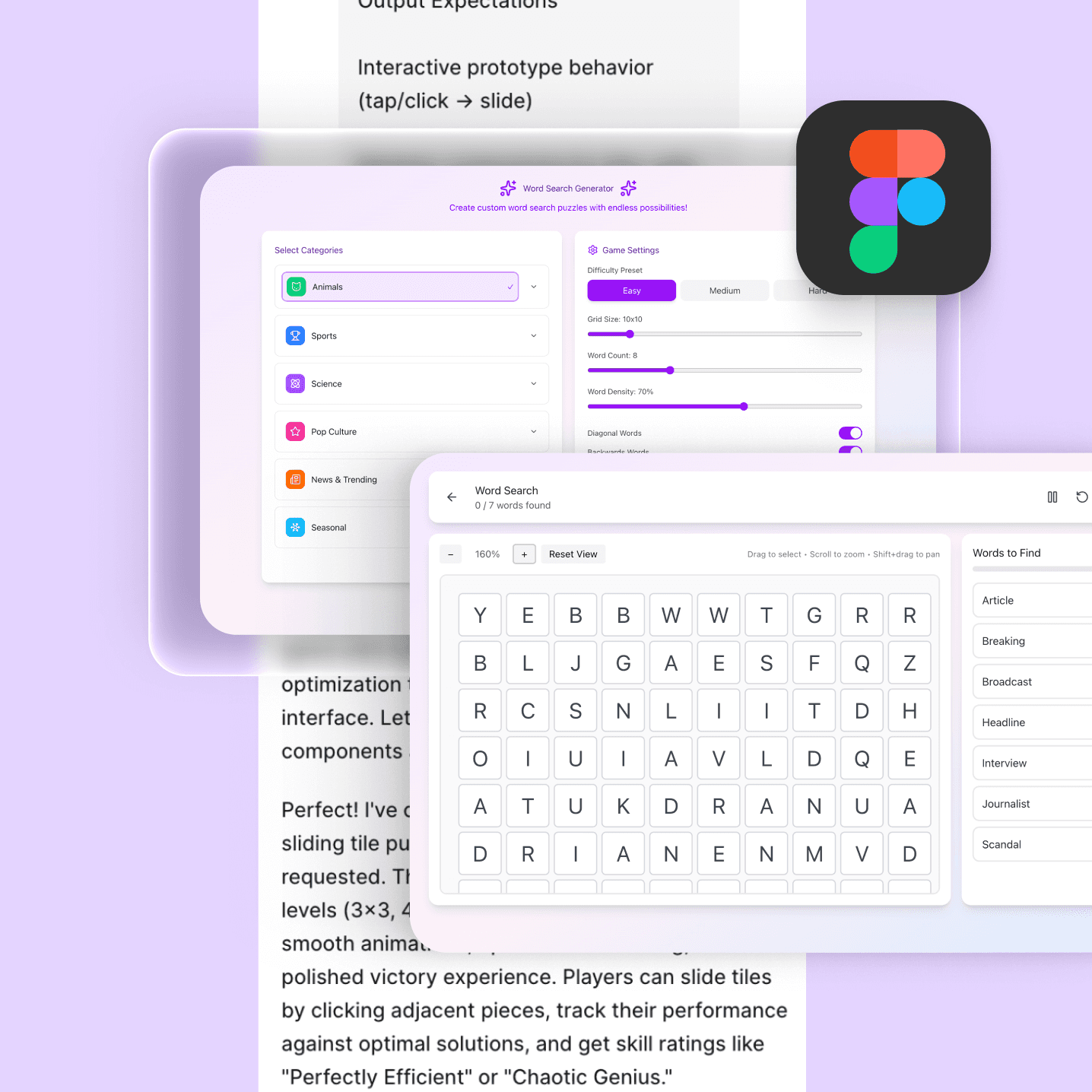
Figma Make (design first): Rapidly built playable experiences to explore interaction, flow, and game feel.
Claude (code first): Generated more robust logic and structure to understand implementation paths.
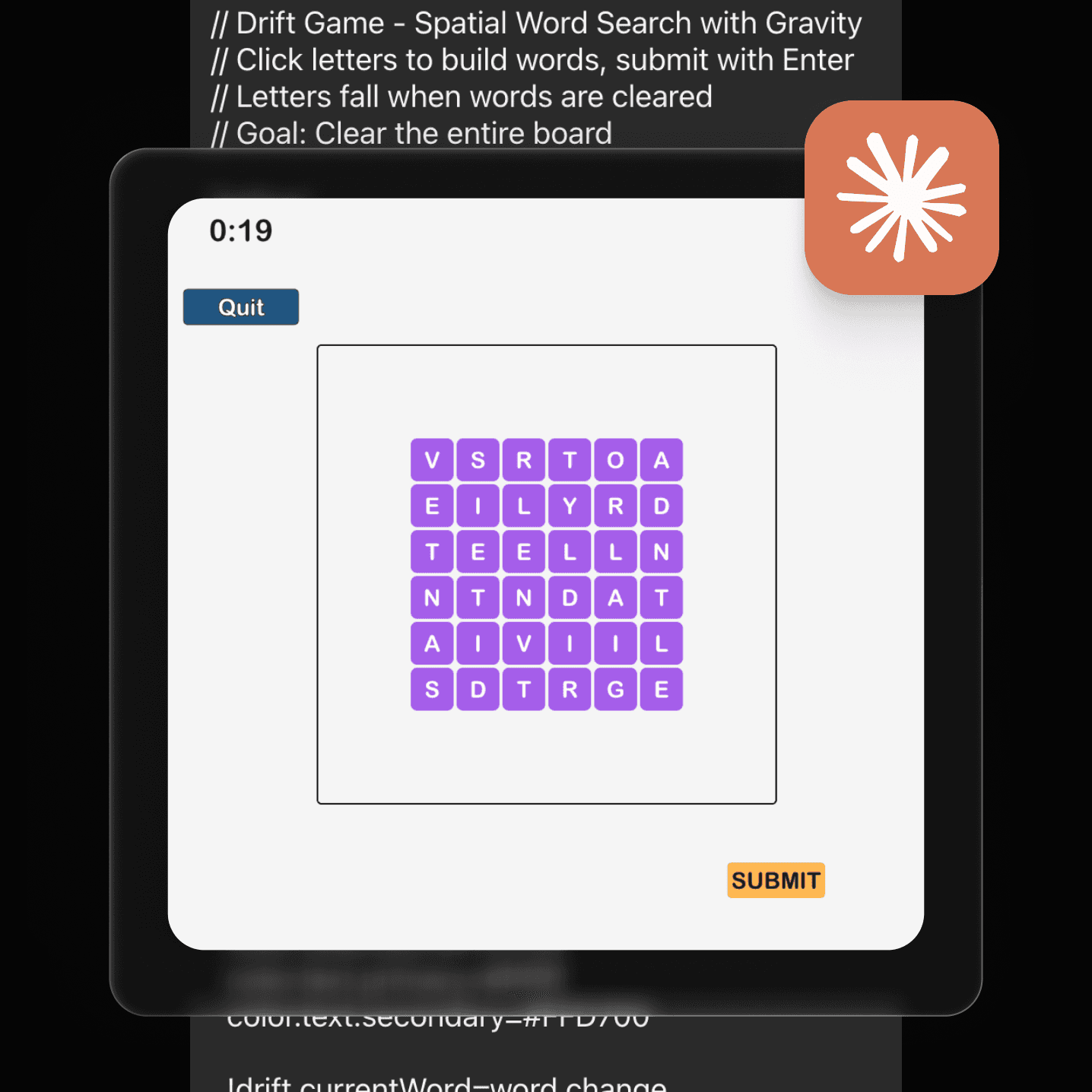
Working in parallel allowed us to compare outcomes and talk through decisions in real time, using the games themselves as a shared reference.
We ran side-by-side experiments on two game concepts:
Figma Make (design first): Rapidly built playable experiences to explore interaction, flow, and game feel.
Claude (code first): Generated more robust logic and structure to understand implementation paths.
Working in parallel allowed us to compare outcomes and talk through decisions in real time, using the games themselves as a shared reference.
Key Learnings
Figma Make supported fast, shared understanding by making UX and interaction decisions tangible early
Claude produced stronger code foundations once direction was clear
Most importantly, the process itself fostered mutual trust. Experimenting side-by-side made it easier to ask questions, try things, and learn without fear of “doing it wrong.”
Figma Make supported fast, shared understanding by making UX and interaction decisions tangible early
Claude produced stronger code foundations once direction was clear
Most importantly, the process itself fostered mutual trust. Experimenting side-by-side made it easier to ask questions, try things, and learn without fear of “doing it wrong.”