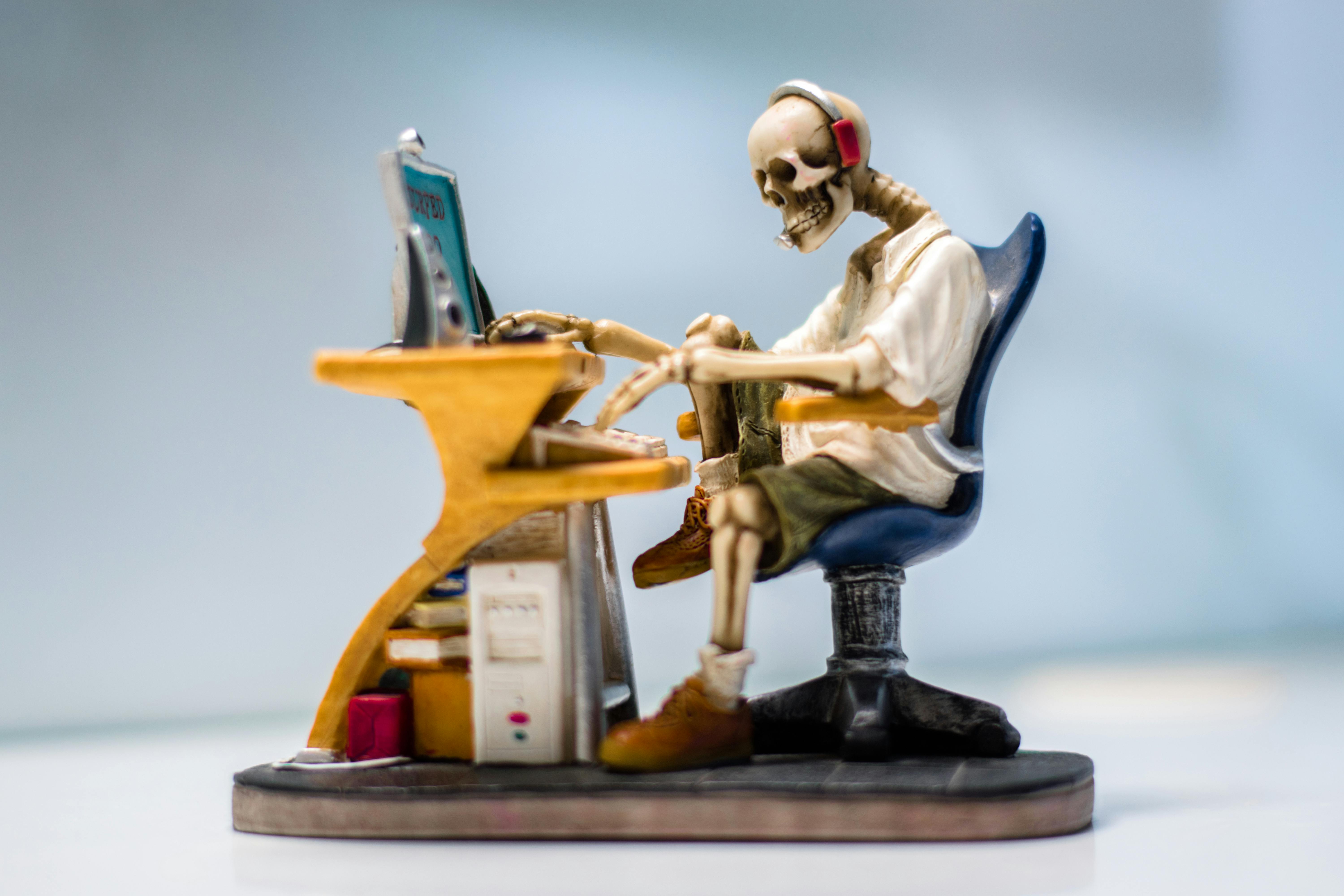
We’re in a strange moment in product development. Everything feels fast. Tools are evolving constantly. AI can prototype, write, generate, summarize, and simulate at speeds we’ve never experienced before. And yet, despite all that velocity, many teams feel stuck, tense, or disconnected.
That’s because we’re not just learning new tools.
We’re learning in a world where the rules haven’t fully formed yet.
And that’s hard.
The test and learn phase
Right now, design and product development are firmly in test and learn mode. We’re experimenting in real time, figuring out what’s useful, what’s hype, what’s ethical, and what actually helps people do better work.
There’s a temptation in moments like this to move fast just to move fast. To equate speed with progress. To automate thinking instead of deepening it.
But when everything is uncertain, speed without intention doesn’t create clarity. It creates anxiety. What teams need most in this phase isn't just better tools. It's trust.
AI is powerful and it can be isolating
I genuinely enjoy working with AI. I use it to prototype, explore ideas, and bridge gaps between disciplines. It’s fun. It’s exciting. It opens doors.
But I’ve also noticed something else. AI can quietly pull us apart if we’re not careful.
It’s easy to experiment alone. To generate in isolation. To optimize for individual velocity instead of shared understanding.
And design has never been a solo sport.
The best work I’ve ever been part of didn’t come from one person being fast. It came from people building together, wrestling with ambiguity, and learning in public.
This isn’t the time to get lazy
I don’t mean lazy in effort. I mean lazy in thinking.
This isn’t the moment to outsource judgment, curiosity, or responsibility. It’s the moment to bring them back to the center of the room.
Whiteboards matter.
Sticky notes matter.
Talking things through matters.
Sitting in the discomfort of not knowing yet matters.
AI should support that work, not replace it.
The human part of design matters more now
When the path forward isn’t obvious, what carries teams through isn’t just technical skill. It’s relational skill.
The ability to build trust across disciplines.
The ability to meet people where they’re at.
The ability to ask better questions instead of rushing to answers.
The ability to stay curious without needing certainty.
These are human skills. And right now, they’re the most valuable ones we have.
I believe the role of designers in this moment isn’t to be the fastest adopters. It’s to be thoughtful guides. To help teams slow down just enough to choose the right direction, take the right risks, and move forward together.
Building together, on purpose
The future of design isn’t AI first or human only.
It’s collaborative. It’s designers, engineers, and partners building shared language. It’s tools that help us think, not think for us. It’s remembering that what we input, we output.
If we build from tension, we get brittle products.
If we build from curiosity and care, it shows.
The rules will form. The tools will mature. But how we treat each other while we figure it out is what will last.