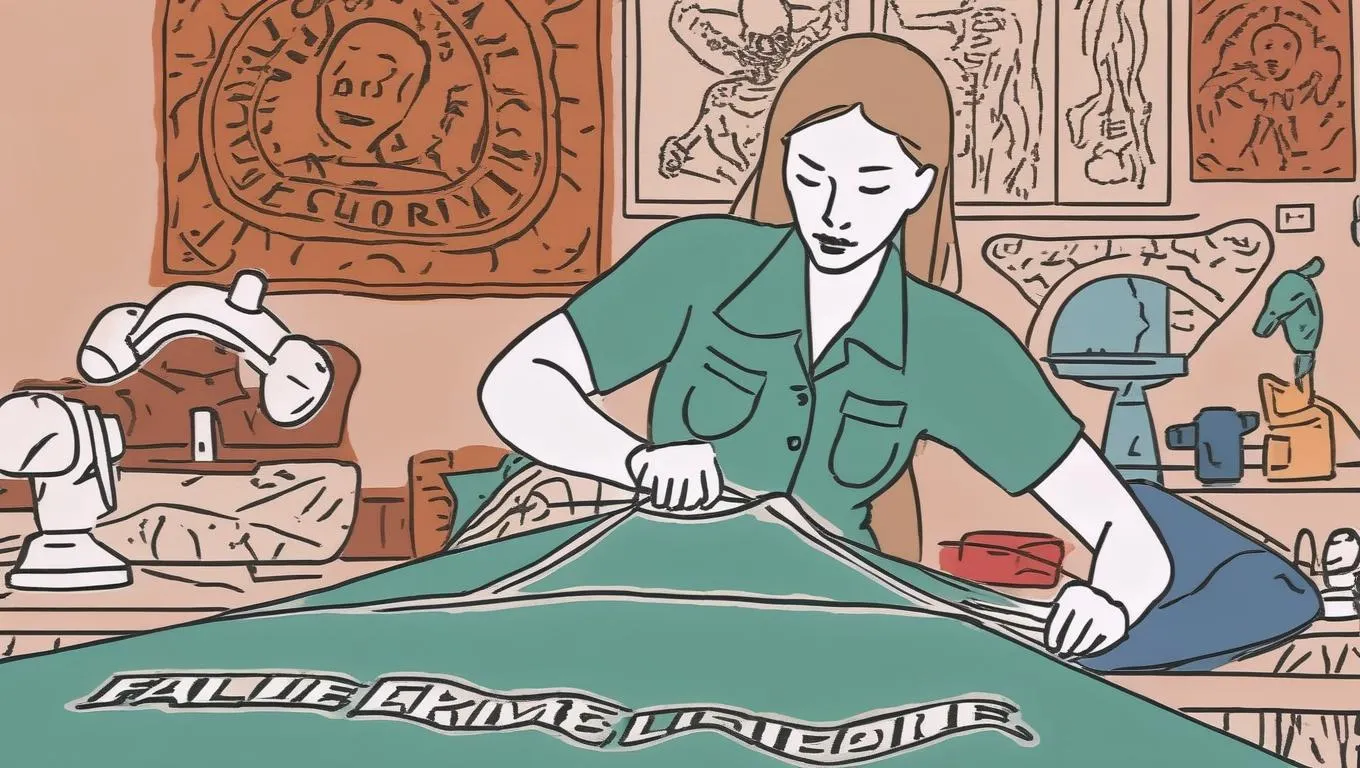
A Folder I Was Not Supposed to Open
I recently began documenting all the things that failed, did not work, or embarrassed me as a designer. I created a file labeled “I Hate This. Don’t Look at This,” and it made me laugh.
It was meant as a joke, but it quickly became something more revealing. As designers, it is easy to discard things that make us uncomfortable. We hide the work that feels wrong, unfinished, or embarrassing. We do the same thing outside of design too, quietly shelving away the parts of ourselves that do not feel polished or acceptable.
That realization made me pause. Where is my file folder for the parts of myself I hate or find ugly. How many things do I consciously label as unworthy and refuse to look at.
Insecurity as a Shared Experience
A conversation with a friend brought this question into sharper focus. They reminded me of a game of Jenga I once played that involved writing questions on each block. When you pulled a block, you had to answer the question written on it.
One question asked what part of your body you are most insecure about. What followed was an unexpectedly honest conversation. As people shared their answers, something became clear. The things we were most self conscious about were often things others had never noticed or had even found endearing.
That moment stuck with me. It highlighted how distorted our internal narratives can be and how rarely we extend ourselves the same grace we offer others.
The Ideas We Throw Away
I started noticing how often this pattern shows up in my design work. I discard ideas too quickly. I label them as bad, embarrassing, or wrong before fully understanding them. Later, I find myself wishing I had kept them longer or explored them more deeply.
The same is true for personal growth. Emotional maturity is not about eliminating the parts of ourselves we dislike. It is about allowing ourselves to fully feel them. Instead of stopping at “I hate this,” the more important question becomes why. Letting ourselves feel discomfort, frustration, or even hatred can be a necessary step toward healing and clarity.
Redefining Failure
Failure is one of our most effective teachers. Yet we often define success so narrowly that we leave no room for experimentation, surprise, or growth. When something does not work, we rush to discard it instead of listening to what it might be trying to teach us.
Sometimes the very things we dislike most about ourselves are the traits that push us forward. They are signals pointing toward change, depth, or resilience. When we ignore them, we miss opportunities to evolve.
Making Space for Honest Emotion
For a long time, I avoided the word hate. It felt too harsh, too angry. When a friend once shared parts of himself he hated, my instinct was to soften it and encourage him not to use that language.
But we talked about it. We realized that hate can be a powerful indicator. It highlights where friction exists and where change might be needed. Anger, when acknowledged and understood, can become fuel rather than something to suppress.
Keeping the File Open
Embracing failure and discomfort does not mean glorifying them. It means staying curious about them. It means resisting the urge to immediately close the folder and move on.
By keeping space for the things that failed, the ideas that embarrassed us, and the parts of ourselves we struggle with, we open the door to growth and creativity. That file labeled “I Hate This” might not be something to hide after all. It might be where the most meaningful work begins.